
Gut Health / Gastrointestinal System Disorders

Combat anxiety disorder by understanding and regulating your gut health
The relationship between Anxiety disorder and gut health is becoming more apparent in recent times. Anxiety disorders are one of the most common forms of mental illness, with one-quarter of Australians experiencing an anxiety condition in their lifetime1. With increasing numbers of us struggling with our mental health these days, it’s vital that we find…
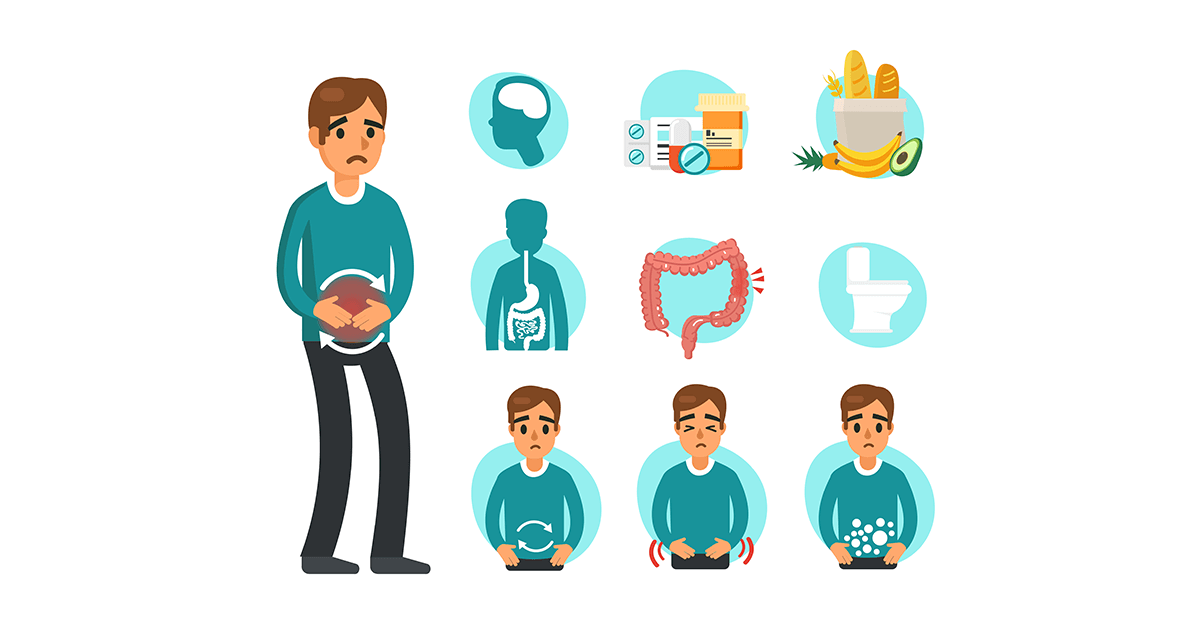
Understanding gut health and how to treat IBS (irritable bowel syndrome)
Learn about your Gut Health and how to treat IBS. Recent research in Gut Health demonstrates a strong and important relationship between the health of our gut and our overall health. The evidence that continues to mount signifies that a happy gut means a healthy person. Having the right balance of bacteria in your gut…

Inflammatory Bowel Disease (IBD)
IBD – Symptoms, Causes & Treatment Inflammatory bowel disease is a chronic, autoimmune, inflammatory disease of the bowel. The disease can occur at any age but generally affects young adults 15 to 35. There are two main types of IBD: Crohn’s disease: a type of IBD which usually affects the intestines, but may occur anywhere…
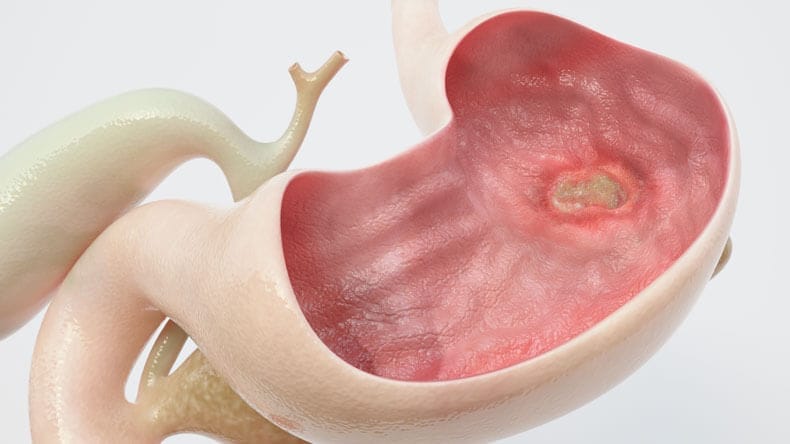
Stomach Ulcer Treatment
Stomach Ulcer treatment, symptoms and causes Stomach ulcers also known as peptic ulcers are an ulceration (erosion) of the mucosal lining of either the stomach (gastric ulcer) or duodenum (duodenal ulcer). Duodenal ulcers are four times as common as gastric ulcer in Perth and Australia wide. They may occur at any age, but most commonly…

Malabsorption
Malabsorption is failure of the body to absorb vitamins, minerals and other nutrients from food. It is much more common for a variety of reasons in the modern world, particularly with the decline of our overall gut health and digestion. Causes / Risk factors of Malabsorption Impaired digestive function Celiac disease Bacterial overgrowth in colon…
Gastritis
Gastritis refers to acute or chronic inflammation of the gastric mucosa. It is a condition caused by a variety of conditions of the gastrointestinal tract. Food allergies, gut pathogens, bacterial overgrowth and poor digestion are all commons causes. Once gastritis is present, we find most patients become sensitive to many foods with bloating, fatigue, skin…

Flatulence / Excess Gas
Flatulence is the accumulation of gas in the digestive tract. The intestine produces about 500-2000 mL of gas per day, mostly as a result of swallowed air and bacterial fermentation of carbohydrates in the GIT. The passing of gas via the rectum is normal in humans and the amount can vary from individual to individual.…

Gastro-esophageal Reflux Disease (GERD)
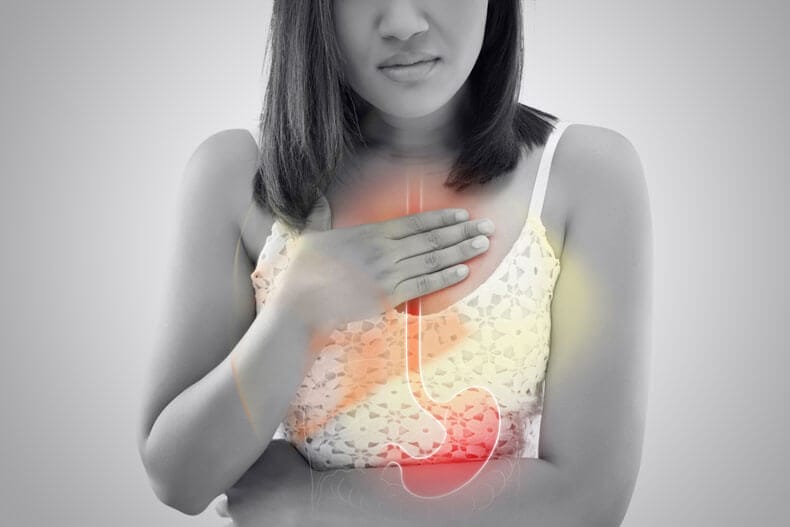
GERD Symptoms, Causes & Treatment Indigestion and reflux is caused by impaired digestion. It is a common problem and is frequently associated with gastro-esophageal reflux disease (GERD) and more commonly known as heartburn. Gastro-esophageal reflux disease is a disorder resulting from repeated reflux of acid and gastric contents into the esophagus, mainly caused by lower…
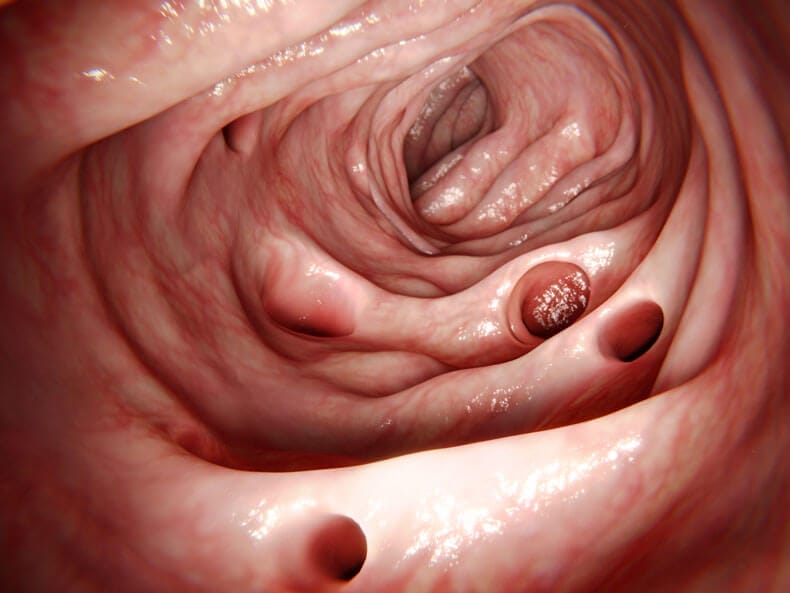
Diverticular Disease / Diverticulitis
Diverticulosis is the condition of having diverticulae in the colon, which are out-pouching’s of the colonic mucosa and submucosa due to weakness of muscle layers in the colon wall. Basically, raised pockets of your bowel wall that are weak and inflamed. These are more common in the sigmoid colon, which is a common place for…

Diarrhea
Causes, Symptoms & Treatments for Diarrhea Diarrhea is characterised by unformed, watery stools and increased bowel movement frequency. Diarrhea may be acute or chronic. Acute diarrhea is often due to infectious agents and is accompanied by fever, chills and malaise. Gastroenteritis is caused by infectious agents (bacteria, virus, parasite, protozoa etc.) from contaminated food, water…